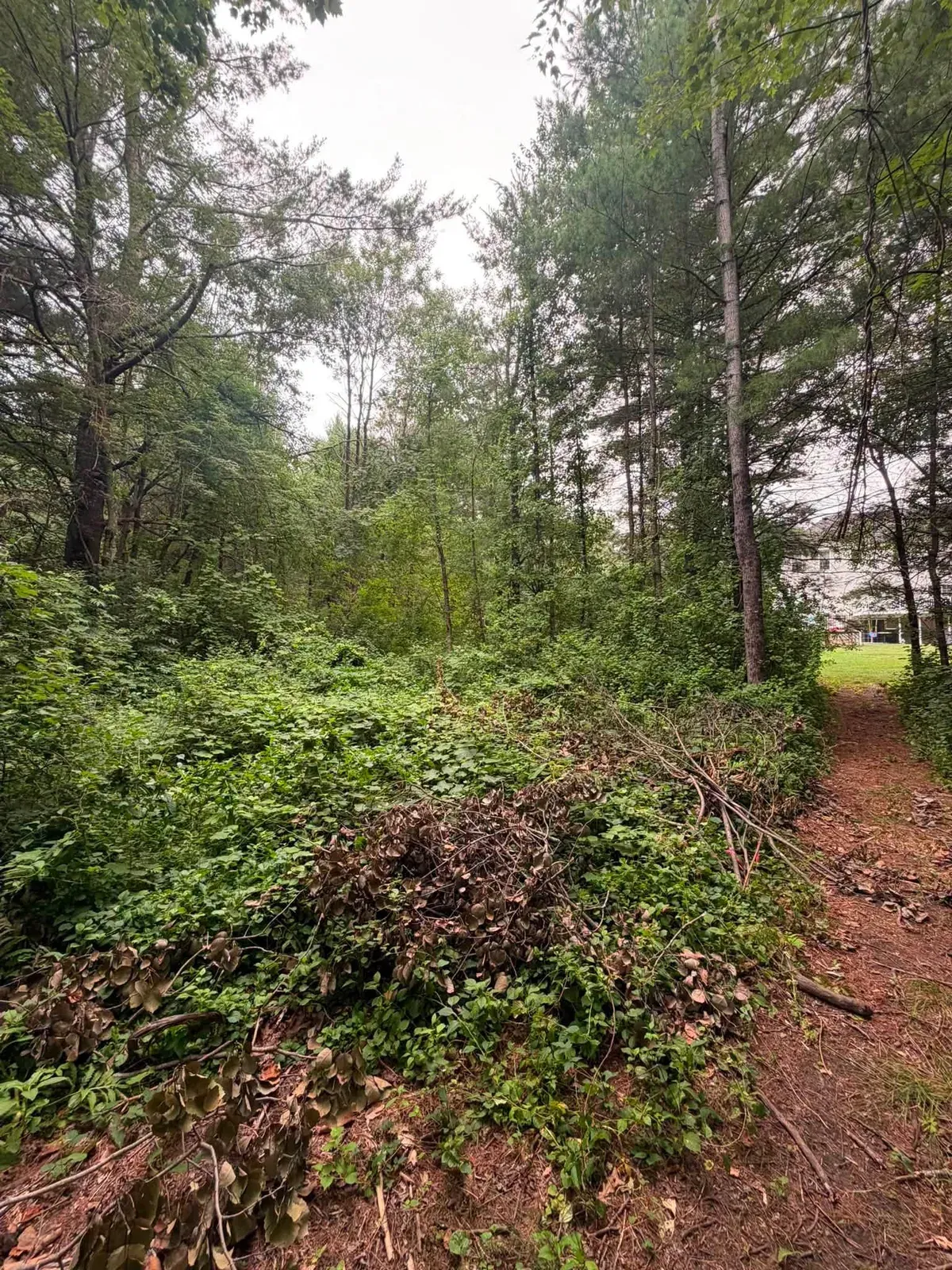
Fields going back to brush
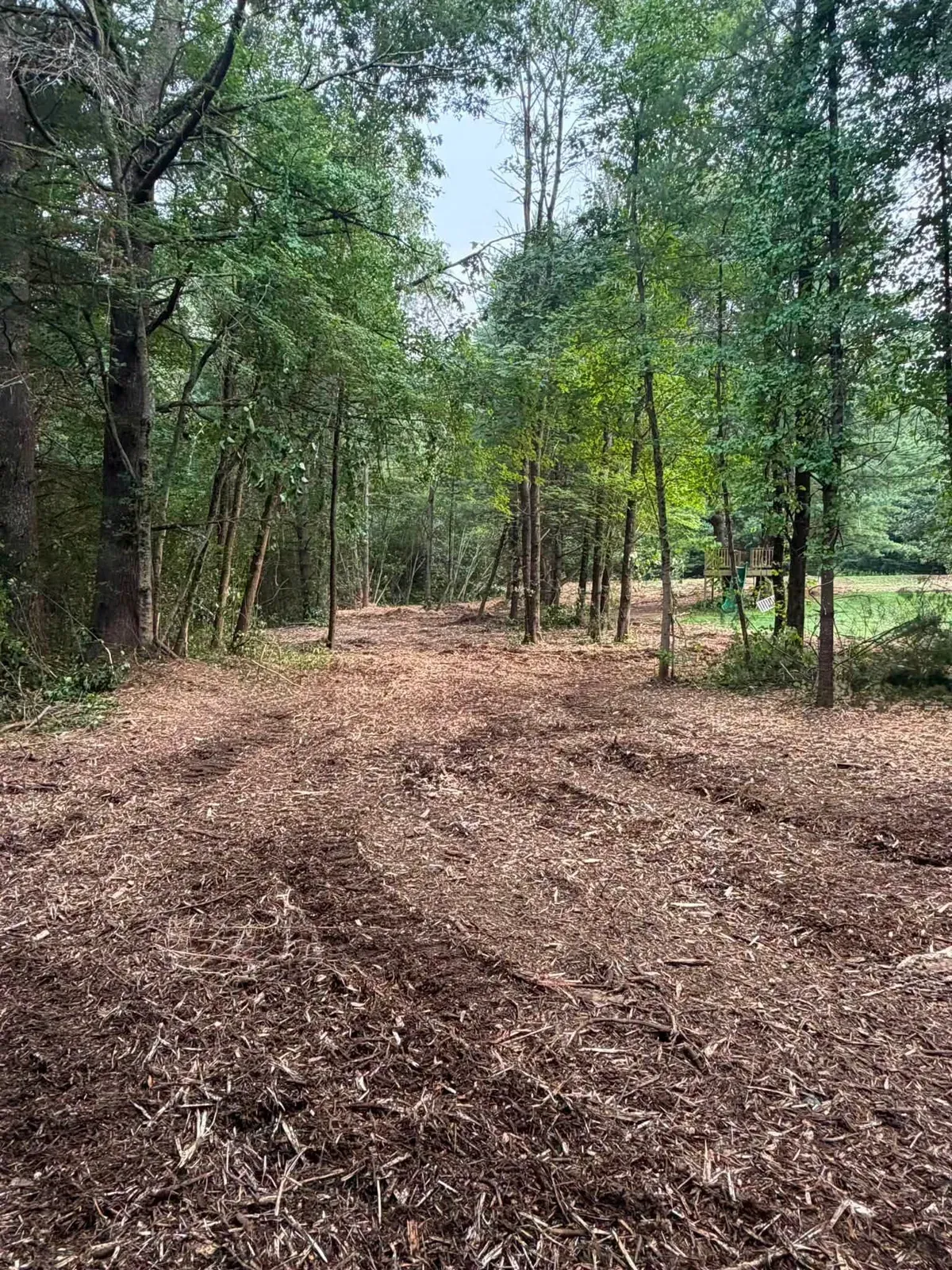
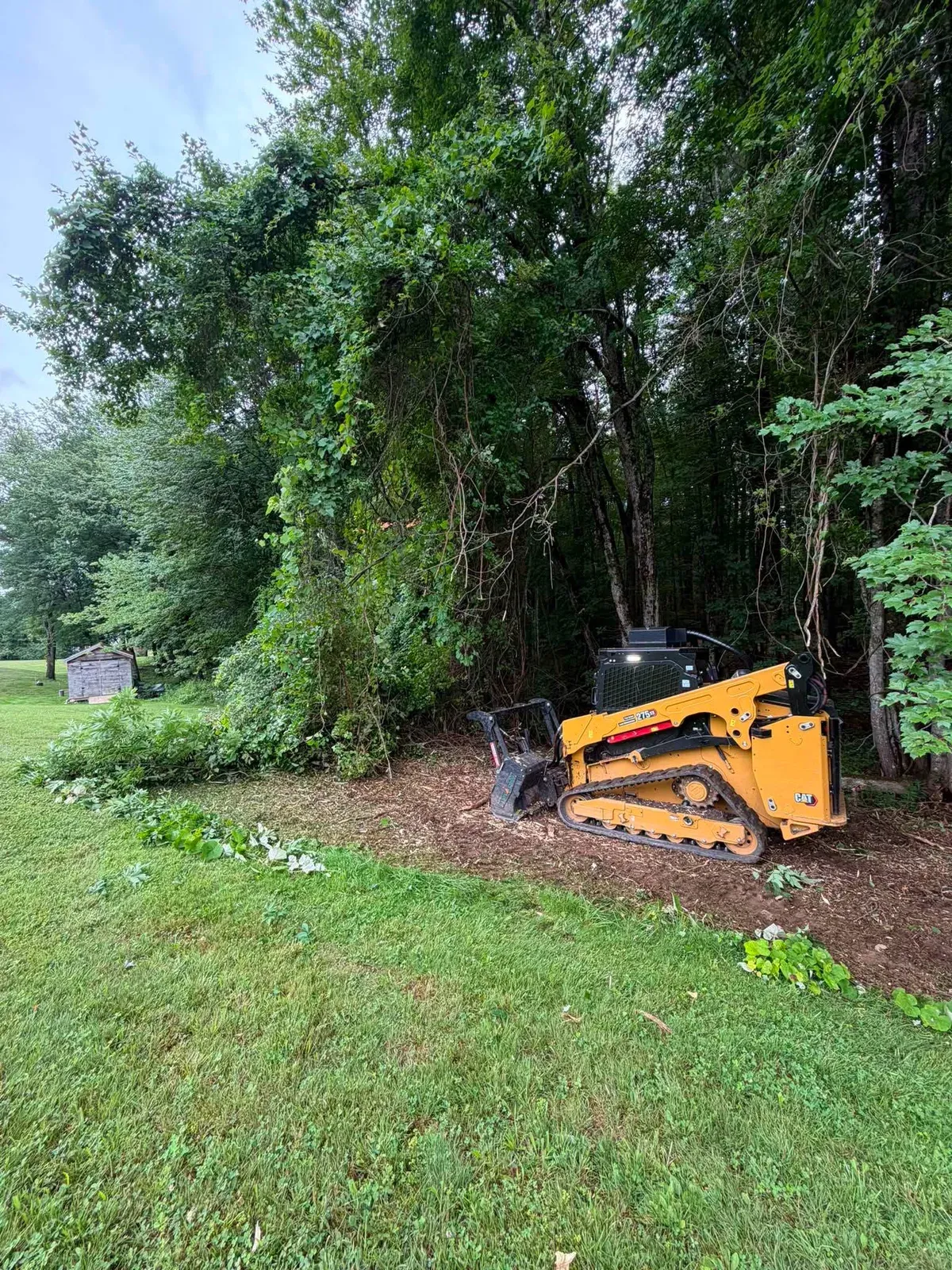
Harvard is largely wooded with rolling hills, fields and wetlands. A field left unmowed for several years fills with saplings and brush, and mulching takes it back while leaving the ground covered.
Overgrown fields, orchard edges and woodland trails in Harvard, mulched in place in a single pass.
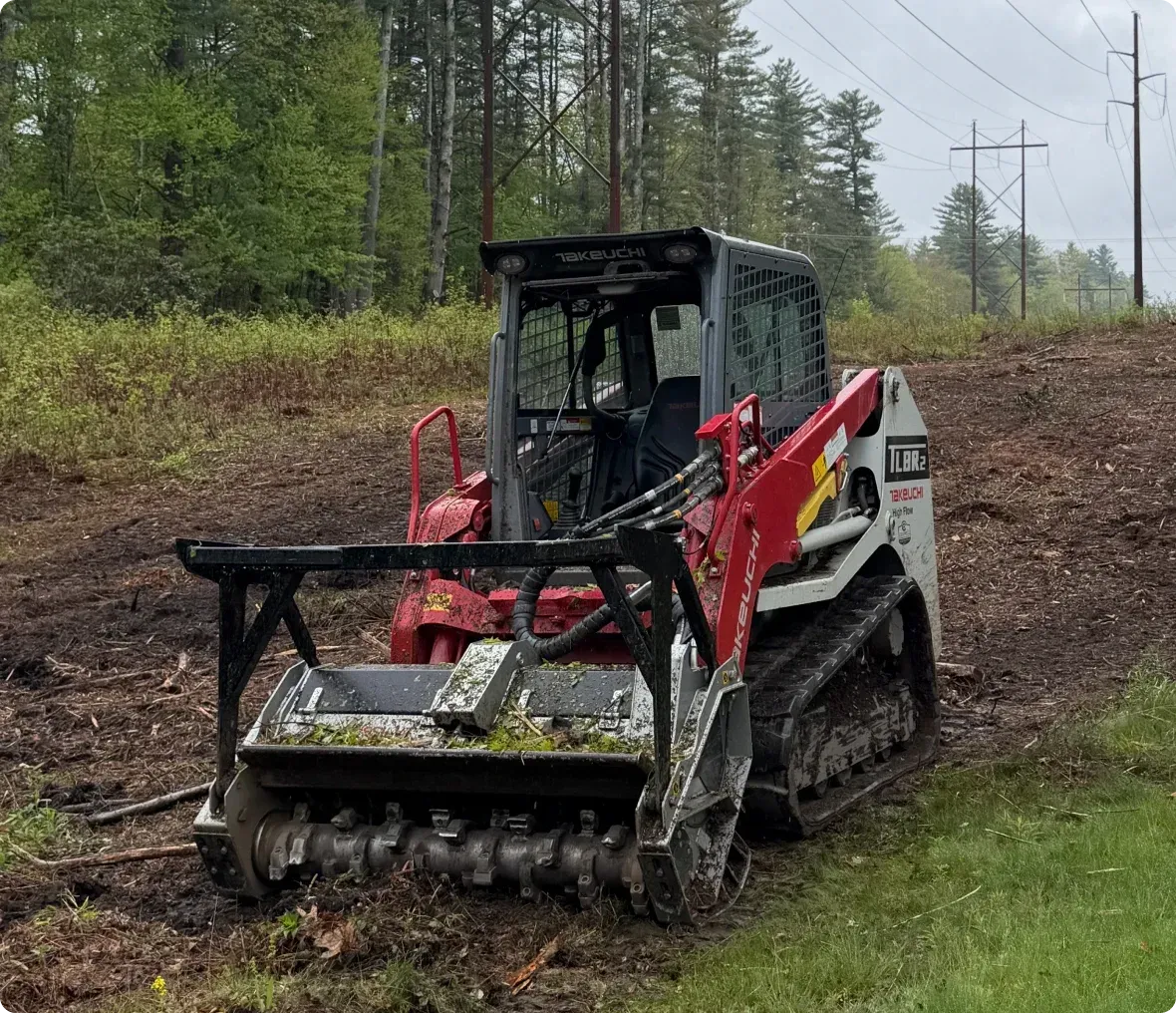
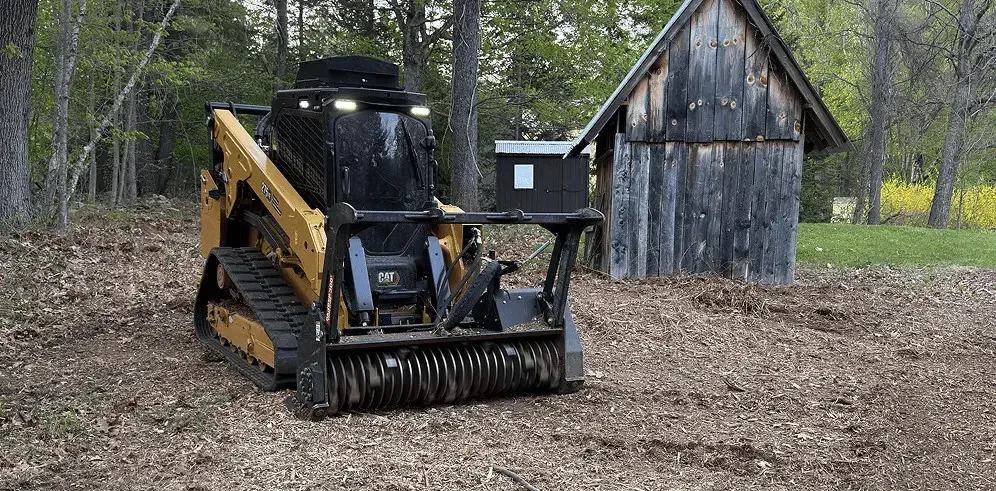
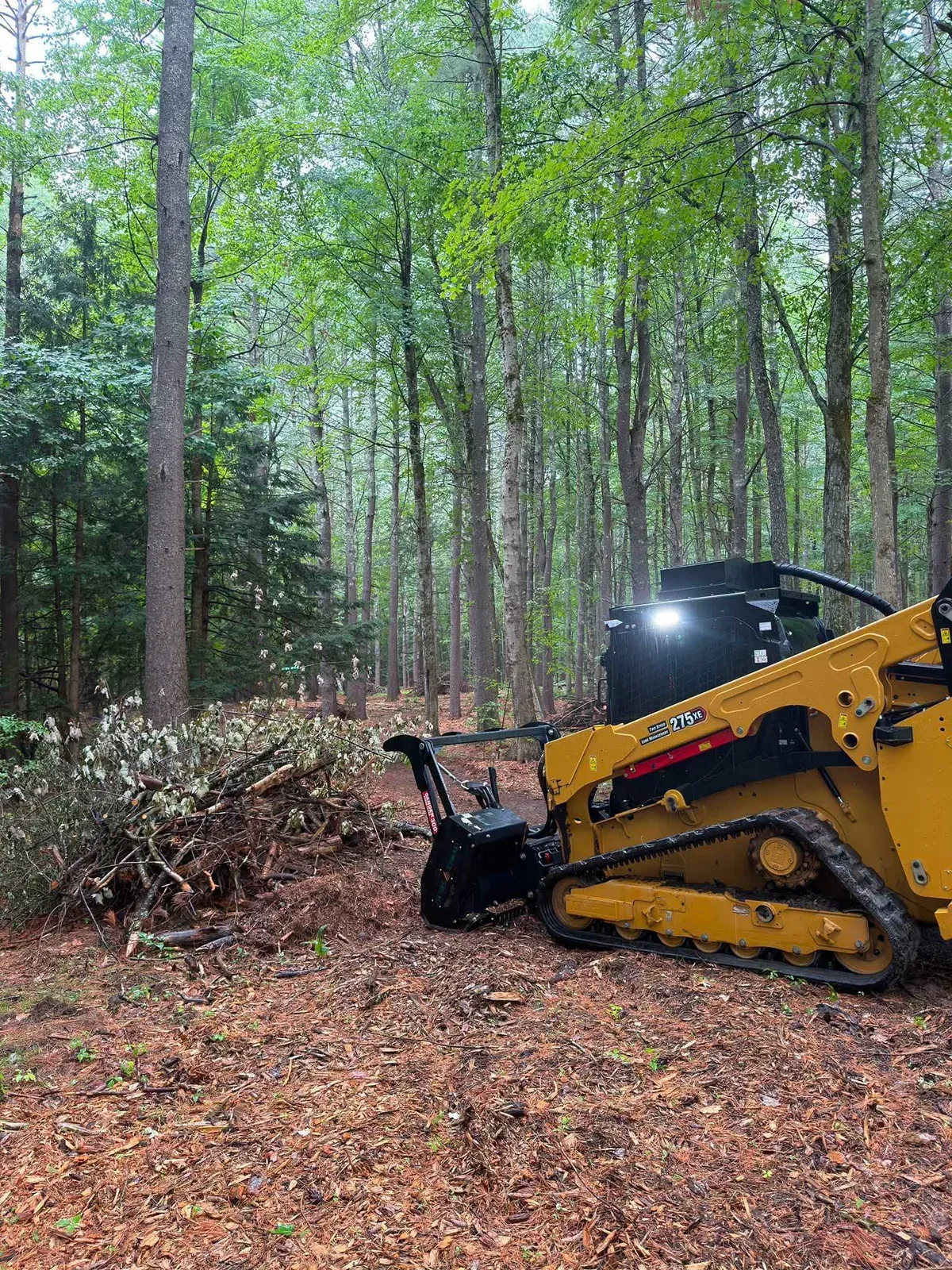
We forestry mulch for Harvard homeowners, farm and orchard owners, landowners with large woodlots and commercial properties. A track loader with a mulcher head grinds brush, saplings and small trees where they stand, which makes it a good fit for reclaiming old fields, widening trails and opening up understory. Hardwood up to 8 inches in diameter goes through the mulcher head. Anything thicker gets felled first, with the stump ground as a separate step.
Phone (978) 696-6659, or start a request with Get a Quote. Mark the area on an aerial photo and note any wet spots or neighboring conservation land.
Size limit: We can mulch hardwood up to 8 inches in diameter. Larger trees are cut first and the stumps ground separately.
Fields, orchards and woods share most Harvard parcels, and each one changes how we mulch.
Harvard is largely wooded with rolling hills, fields and wetlands. A field left unmowed for several years fills with saplings and brush, and mulching takes it back while leaving the ground covered.
Harvard's wetlands bylaw does not require its permit for normal maintenance or improvement of land in agricultural use, including commercial fruit production. Mulching overgrown edges on an active farm may fall under that exemption, while the same work on a house lot does not.
The bylaw presumes that vernal pools and the 200 feet around them provide essential habitat, whether or not the state has certified the pool. A spring pool in a woodlot can rule out mulching in a wide circle, so we look for them before planning.
The Conservation Commission manages about 1,832 acres of town conservation land. The Oxbow refuge corridor, which reaches Harvard along Still River Depot Road, also runs through Shirley and Ayer. Private trails should stop at those boundaries, so a mulched corridor follows the line you show us.
Forestry mulching cuts vegetation, and Harvard's bylaw counts that as altering a resource area.
What the bylaw covers. Chapter 119 (opens in a new tab) lists the cutting of trees and shrubs and the destruction of plant life as alterations. Its protected areas include wetlands, ponds of any size, vernal pools and land within 200 feet of rivers, ponds, lakes and vernal pools, or 100 feet of other resource areas. The Commission may require strips of continuous, undisturbed vegetation inside those areas.
Habitat reviews. The bylaw protects rare species habitat and lets the Conservation Commission (opens in a new tab) require the applicant to pay for a wildlife habitat study. In a wet woodlot, permitting can take longer than the mulching itself. The state Wetlands Protection Act (opens in a new tab) applies on top of the bylaw.
Agricultural land. Normal maintenance or improvement of land in agricultural use does not need the bylaw permit. Ask the Commission how that applies to your field before we schedule.
We help spot these questions on a site walk. The Town of Harvard makes the call, and this page is not legal advice.
Sources: Town of Harvard Code, Chapter 119: Wetlands Protection; Town of Harvard: Conservation Commission; MGL c.131 §40 Wetlands Protection Act
HomeGuide's national guide puts forestry mulching at about $400 to $800 per acre, and up to $2,000 per acre for high-density clearing. HomeGuide publishes these as national averages; they are not our rates.
Try our forestry mulching cost calculator for a planning number. For a house or barn site cleared to bare ground, see land clearing in Harvard, and stumps from cut trees can be finished with stump grinding in Harvard.
Try the forestry mulching cost calculator
Cost references: HomeGuide: Forestry Mulching Cost
A few places locals know, and what they mean for outdoor work nearby.
A 320-acre pond with a town beach, dock and several small islands at the center of town. Yards around it sit inside the 200-foot area covered by Harvard's wetlands bylaw.
Get directions to Bare Hill Pond (opens Google Maps in a new tab)A Trustees of Reservations museum on the slopes of Prospect Hill, on the site of the 1843 Fruitlands community, with walking trails. Neighboring lots share hillside terrain and a boundary with reservation land.
Get directions to Fruitlands Museum (opens Google Maps in a new tab)The former Shaker community along Shaker Road, South Shaker Road and Maple Lane. Much of the surrounding land stays undeveloped under a conservation easement, so cutting near it needs careful boundary work.
Get directions to Harvard Shaker Village Historic District (opens Google Maps in a new tab)A federal refuge along the Nashua River in Harvard, Ayer, Shirley and Lancaster, including the former Watt Farm on Still River Depot Road in Harvard. Lots near it border floodplain forest and federal land.
Get directions to Oxbow National Wildlife Refuge (opens Google Maps in a new tab)Photos from our crew's jobs across New Hampshire and Massachusetts.
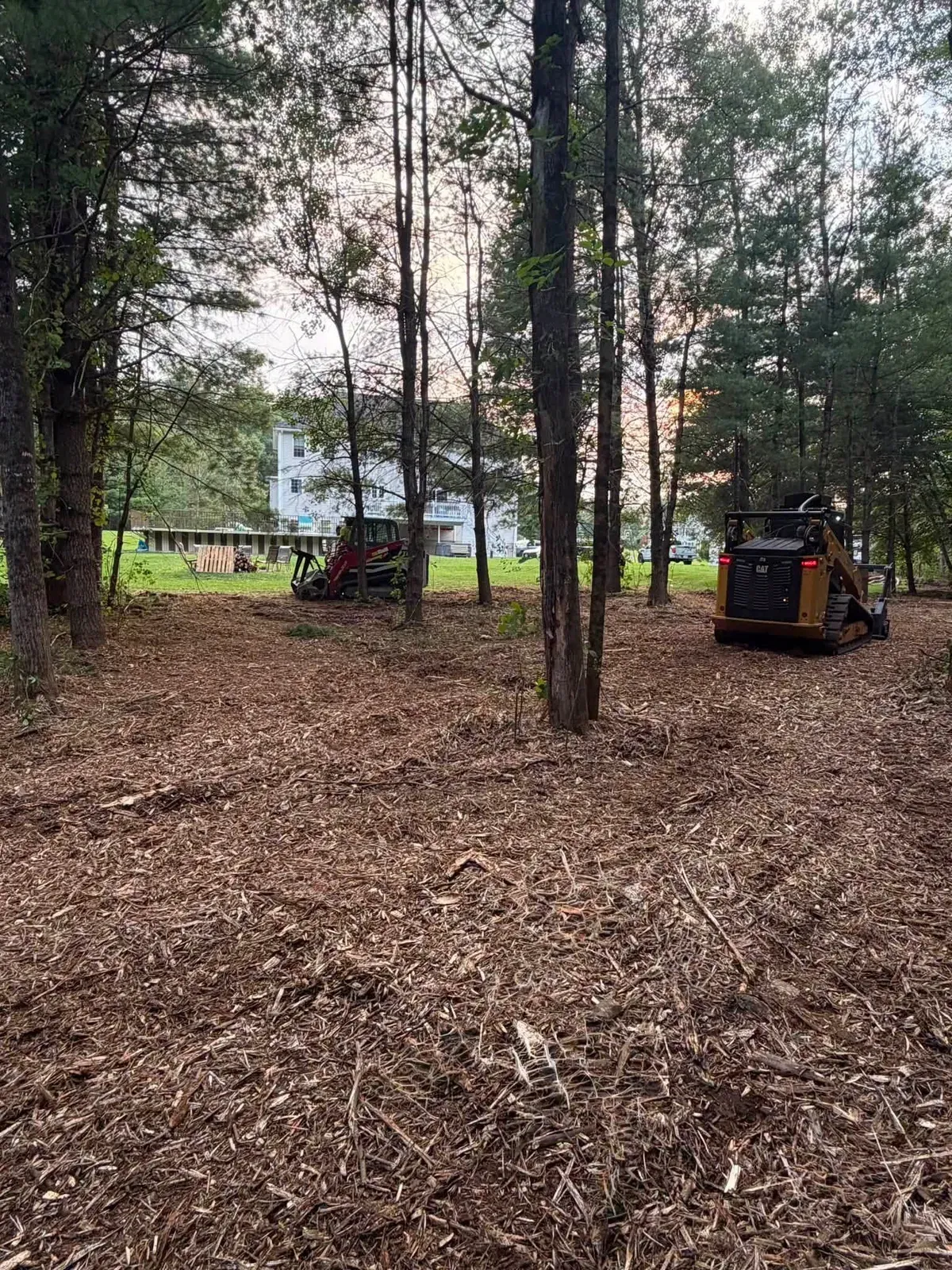
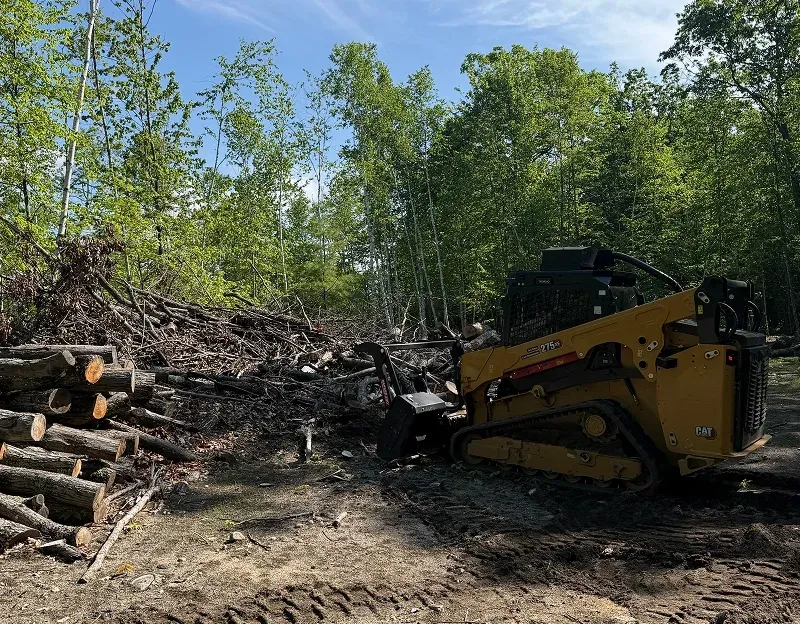
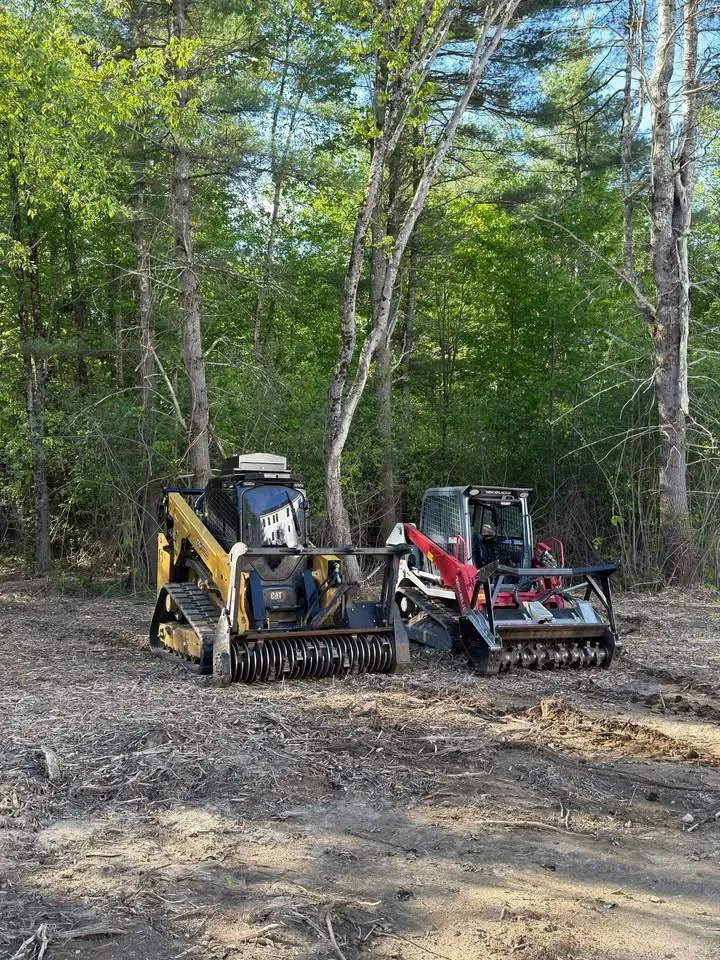
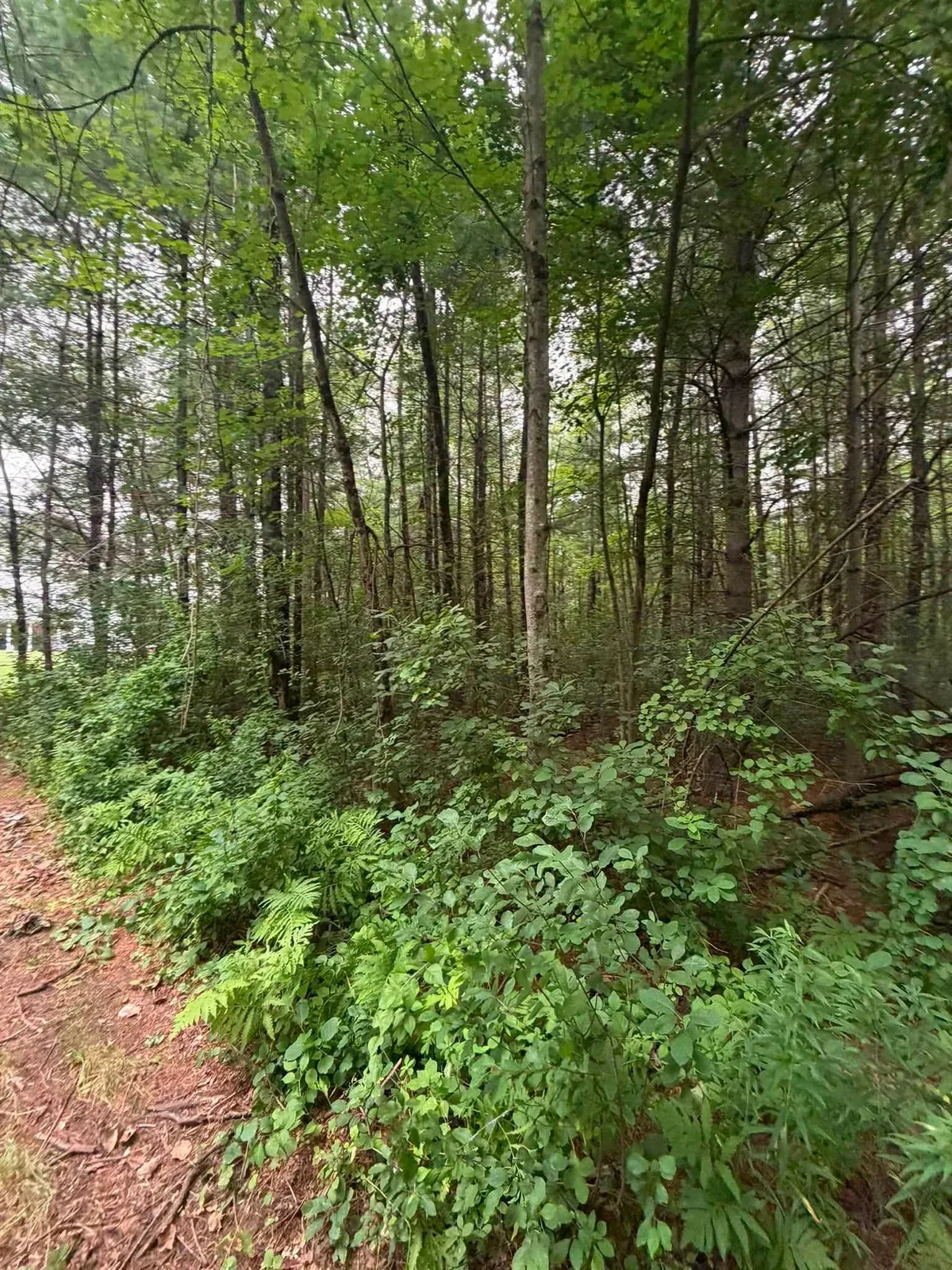
Yes, that is one of the best uses of a mulcher. We grind the brush and saplings in place, and you can mow the field again once the mulch settles. Hardwood up to 8 inches can be mulched, and larger trees are cut and their stumps ground separately.
Not if it stays outside the protected areas. Within 200 feet of a pond, river or vernal pool, or 100 feet of other wetlands, cutting vegetation needs Conservation Commission review under Chapter 119. Ask the Commission when you are unsure.
Not if we know which trees stay. Flag the trees to keep and we will work around them, mulching the brush and saplings between the rows.
A layer of shredded wood covers the ground and breaks down over time. Nothing is hauled away, and the roots stay in place to hold the soil.
Regular mowing on fields, or a follow-up mulching pass after a season or two in woodland. Some sprouting from roots is normal.
See every town we cover on our service areas page.
Tell us about the job and we will call you back to talk it through. Fields marked * are required.