Fields filling in with saplings
Fields and pastures left unmowed for a few years fill with saplings and shrubs. Mulching clears them in one pass and leaves ground that can be mowed again.
Reclaiming overgrown fields, pasture edges and trails without burning or hauling.
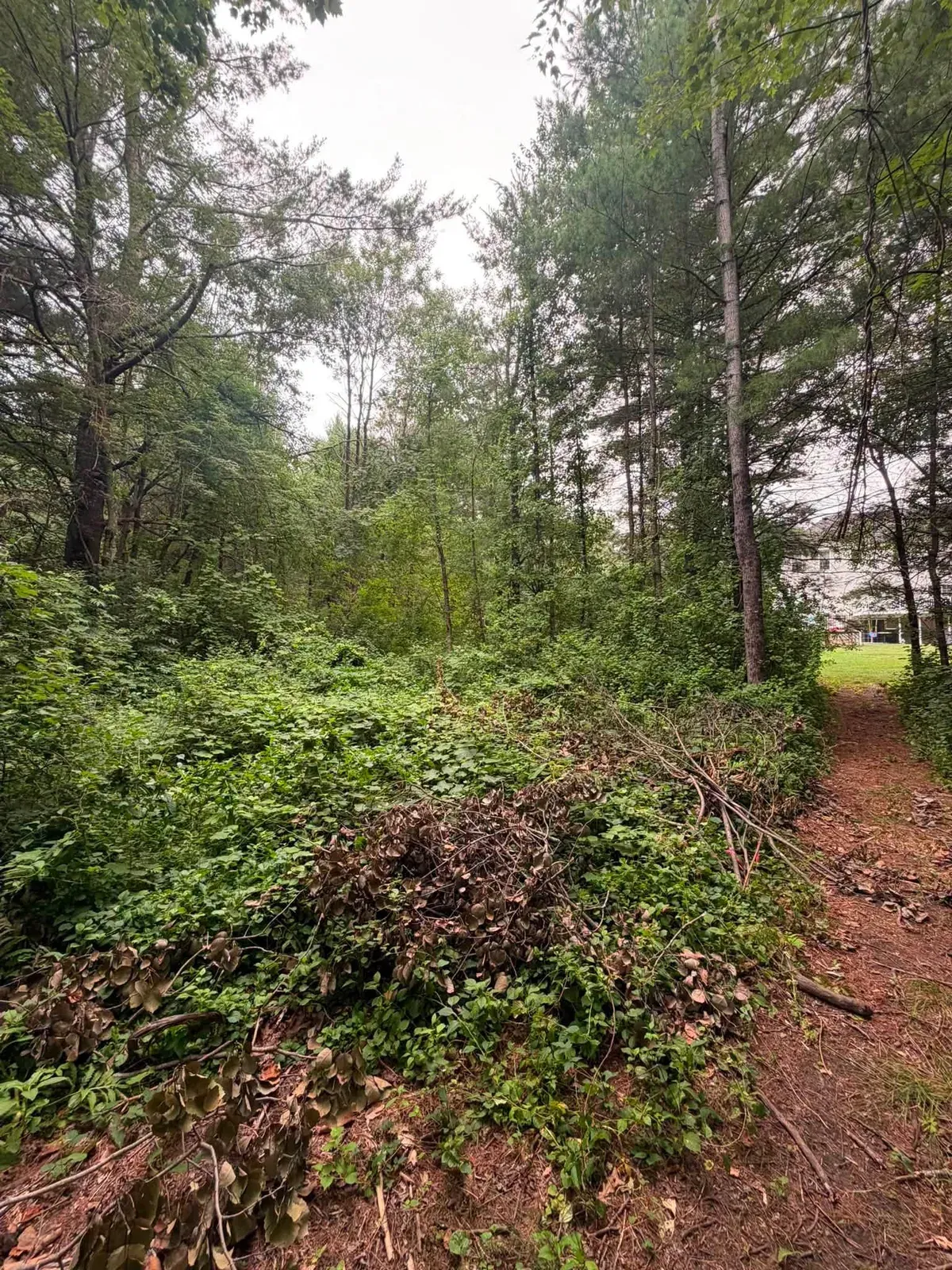
We use track loaders with forestry mulcher heads to clear brush, saplings and small trees and leave the mulch on the ground. In Londonderry that is a practical way to reclaim fields and pasture edges, keep orchard borders open, and cut trails through wooded acreage.
Call (603) 438-6492 or use Get a Quote with photos and a rough size of the area.
Size limit: We can mulch hardwood up to 8 inches in diameter. Larger trees are cut first and the stumps ground separately.
Londonderry's farm history and open land mean a lot of fields and edges that slowly fill back in with woody growth.
Fields and pastures left unmowed for a few years fill with saplings and shrubs. Mulching clears them in one pass and leaves ground that can be mowed again.
Orchards and farm properties need open borders for access and air movement. Mulching keeps edges and lanes clear without piles of brush to burn or haul.
Many fields border brooks or wetlands, including land near the Musquash Conservation Area. Conservation Overlay buffers limit work close to them, so the mulching line is set back from the wet edge.
Owners of wooded lots often want walking or riding trails. A mulcher opens the corridor and leaves a soft surface, and rocks and stumps in the path are noted before work.
Mulching leaves roots and soil in place, but buffers still apply.
Conservation Overlay District. Londonderry's Zoning Ordinance Section 4.6.1 sets wetland and stream buffers, and impacts inside them go through Planning Board review with Conservation Commission input (Buffer Mitigation Policy (opens in a new tab)). Ask the Planning and Economic Development Department before mulching near a brook or wetland.
State wetlands. Removing or filling material in wetlands and banks needs a state permit (RSA 482-A:3 (opens in a new tab)).
Shoreland. Land within 250 feet of public waters is protected shoreland, and the 50-foot waterfront buffer limits vegetation removal and keeps stumps and roots in place (RSA 483-B:4 (opens in a new tab); RSA 483-B:9 (opens in a new tab)).
We will flag buffer questions we see on site, but this is not legal advice.
Sources: Londonderry Conservation Commission Buffer Mitigation Policy (Zoning Ordinance 4.6.1 CO buffers); NH RSA 482-A:3, Wetlands permits; NH RSA 483-B:4, Shoreland definitions; NH RSA 483-B:9, Shoreland minimum standards
HomeGuide (opens in a new tab) lists national forestry mulching averages of about $400 to $800 per acre, up to about $2,000 per acre for dense overgrowth, or roughly $125 to $300 per machine hour. It also notes minimum fees and mobilization charges are common. These are national reference ranges, not our prices. Our forestry mulching cost calculator gives a planning estimate in a minute, and we confirm the number after seeing the site.
Try the forestry mulching cost calculator
Cost references: HomeGuide: Forestry Mulching Cost
A few places locals know, and what they mean for outdoor work nearby.
Town conservation land of roughly 1,000 acres or more with over 20 miles of trails, wetlands and brooks, set up by the Conservation Commission in 1979. Neighboring lots often border wetland buffers.
Get directions to Musquash Conservation Area (opens Google Maps in a new tab)One of the town's best-known orchards and farm markets. Orchard and farm land is part of what keeps many Londonderry parcels larger and more open than in nearby cities.
Get directions to Mack's Apples (opens Google Maps in a new tab)The historic common at the center of town, near the Town Hall and Presbyterian Church.
Get directions to Londonderry Town Common (opens Google Maps in a new tab)Photos from our crew's jobs across New Hampshire and Massachusetts.
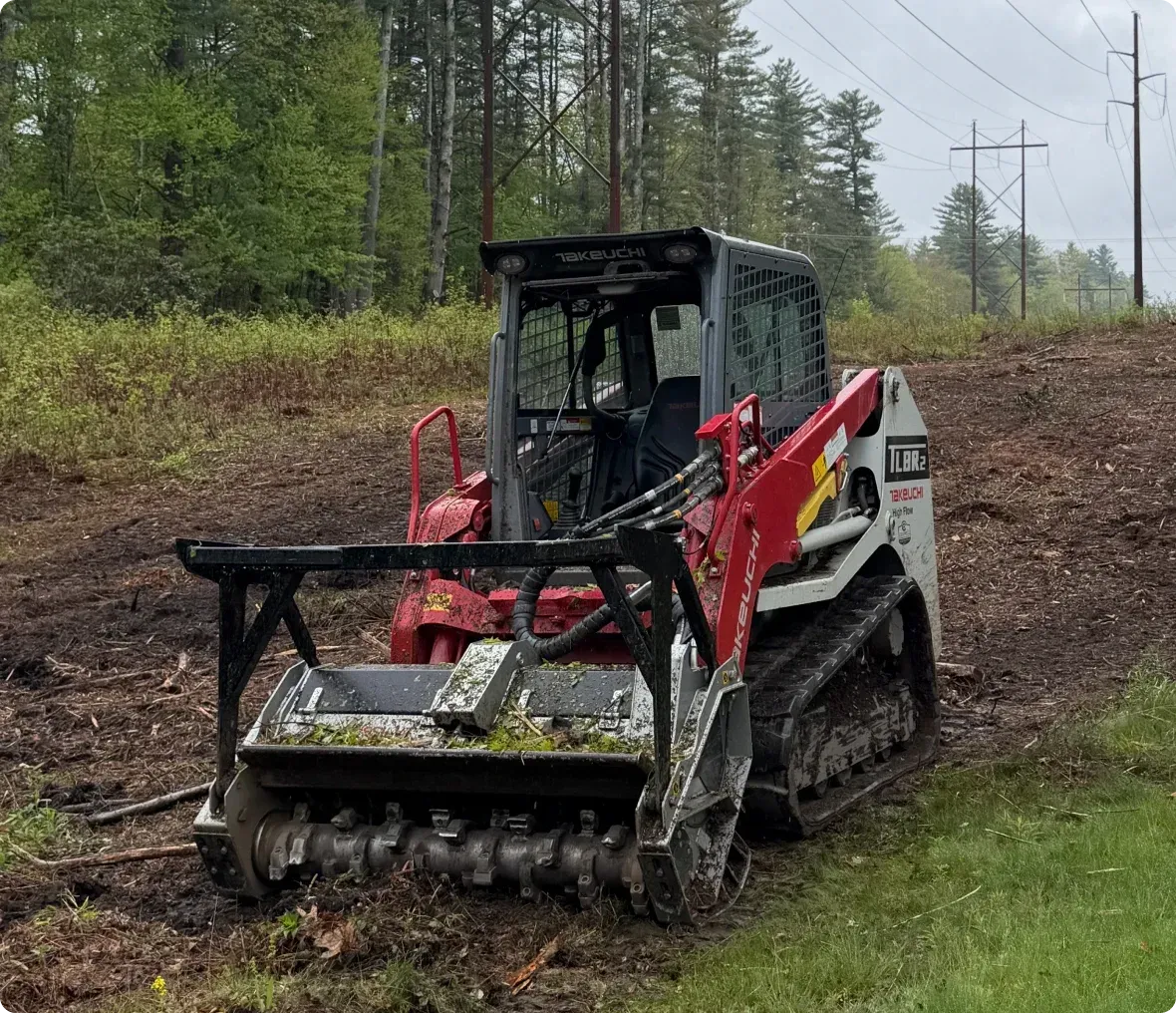
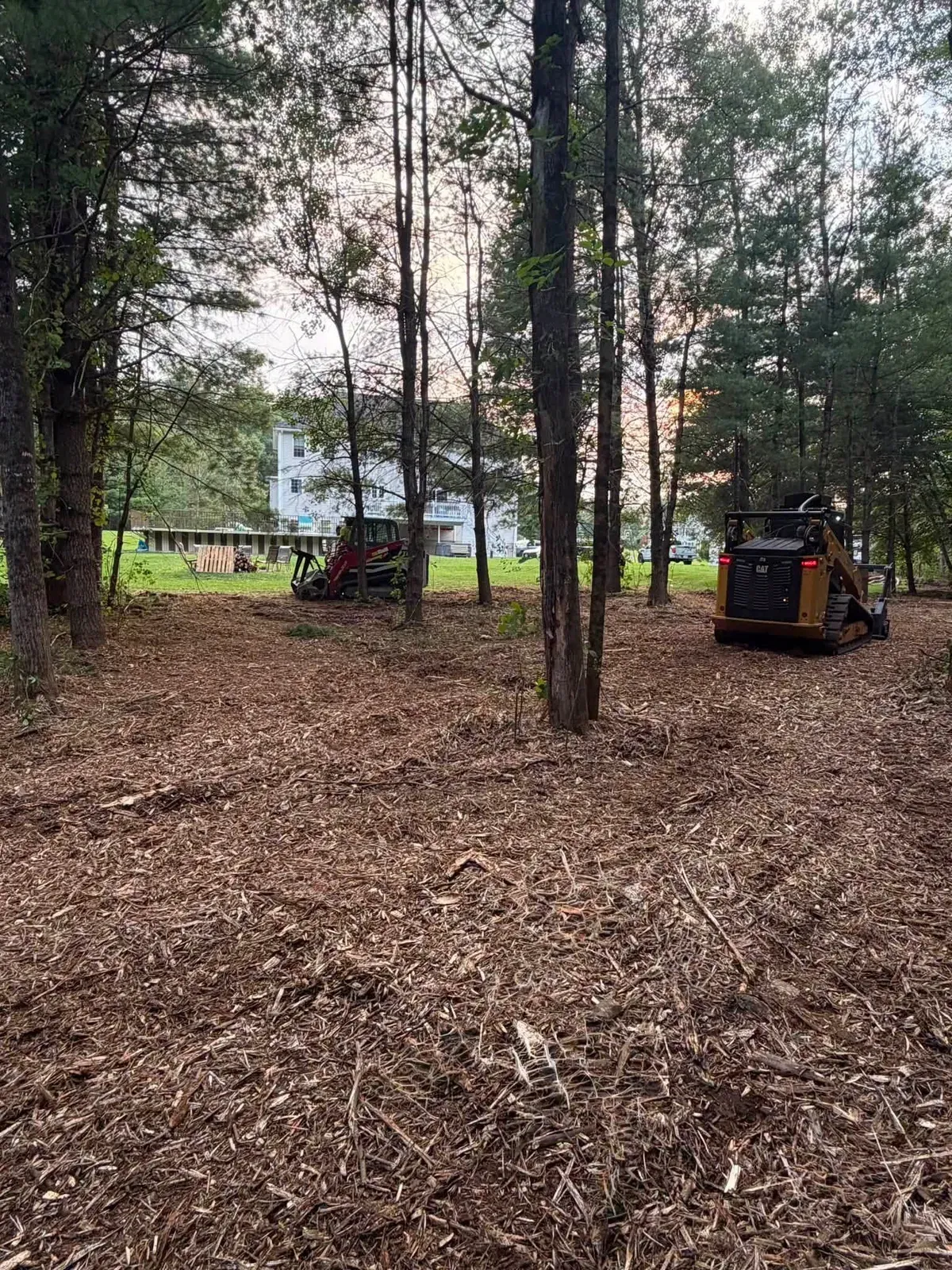
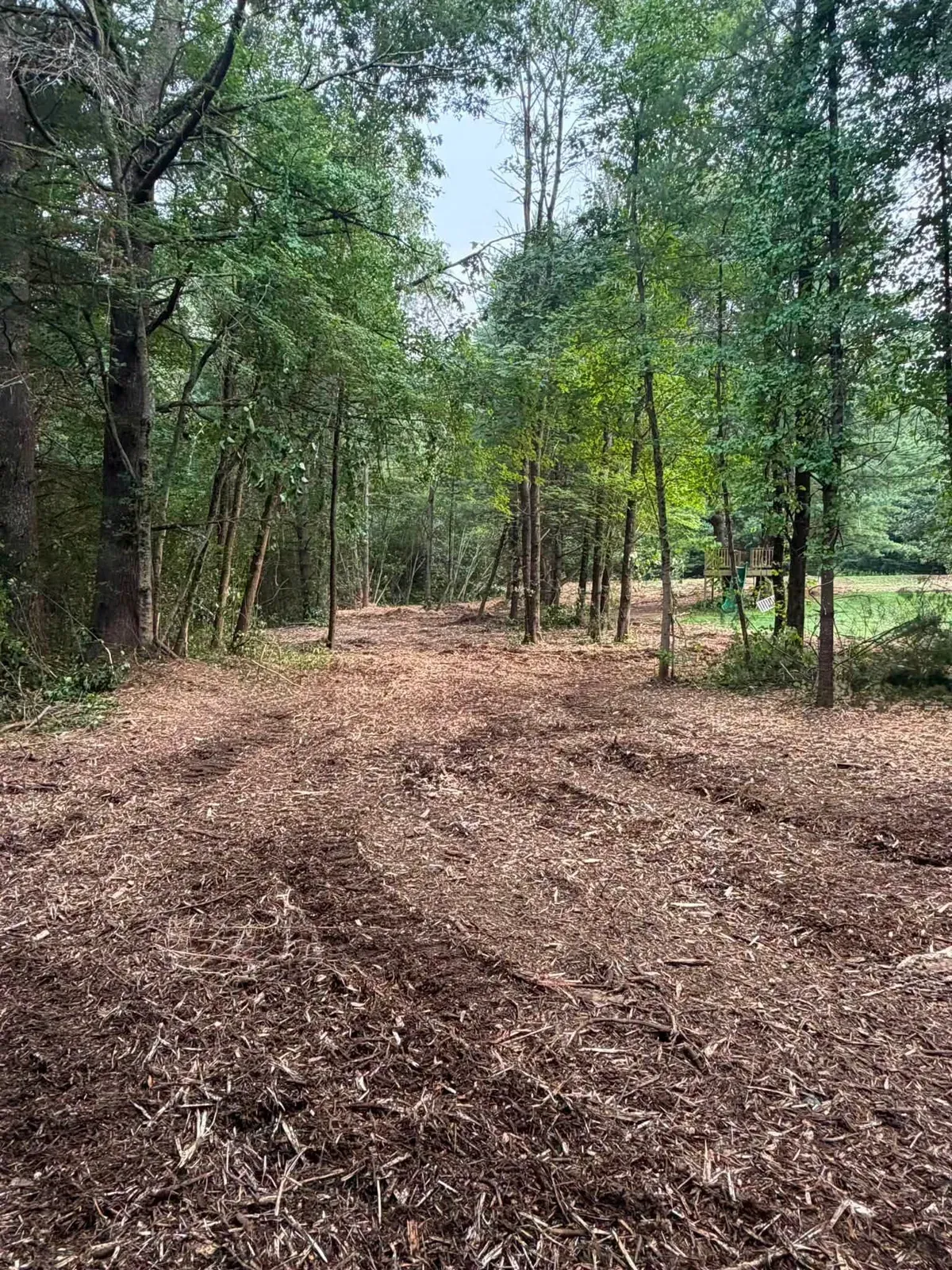
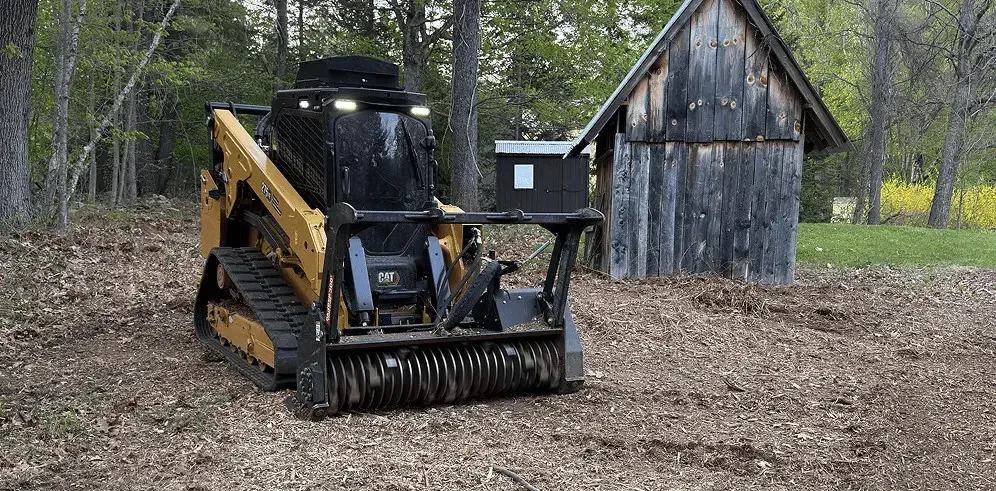
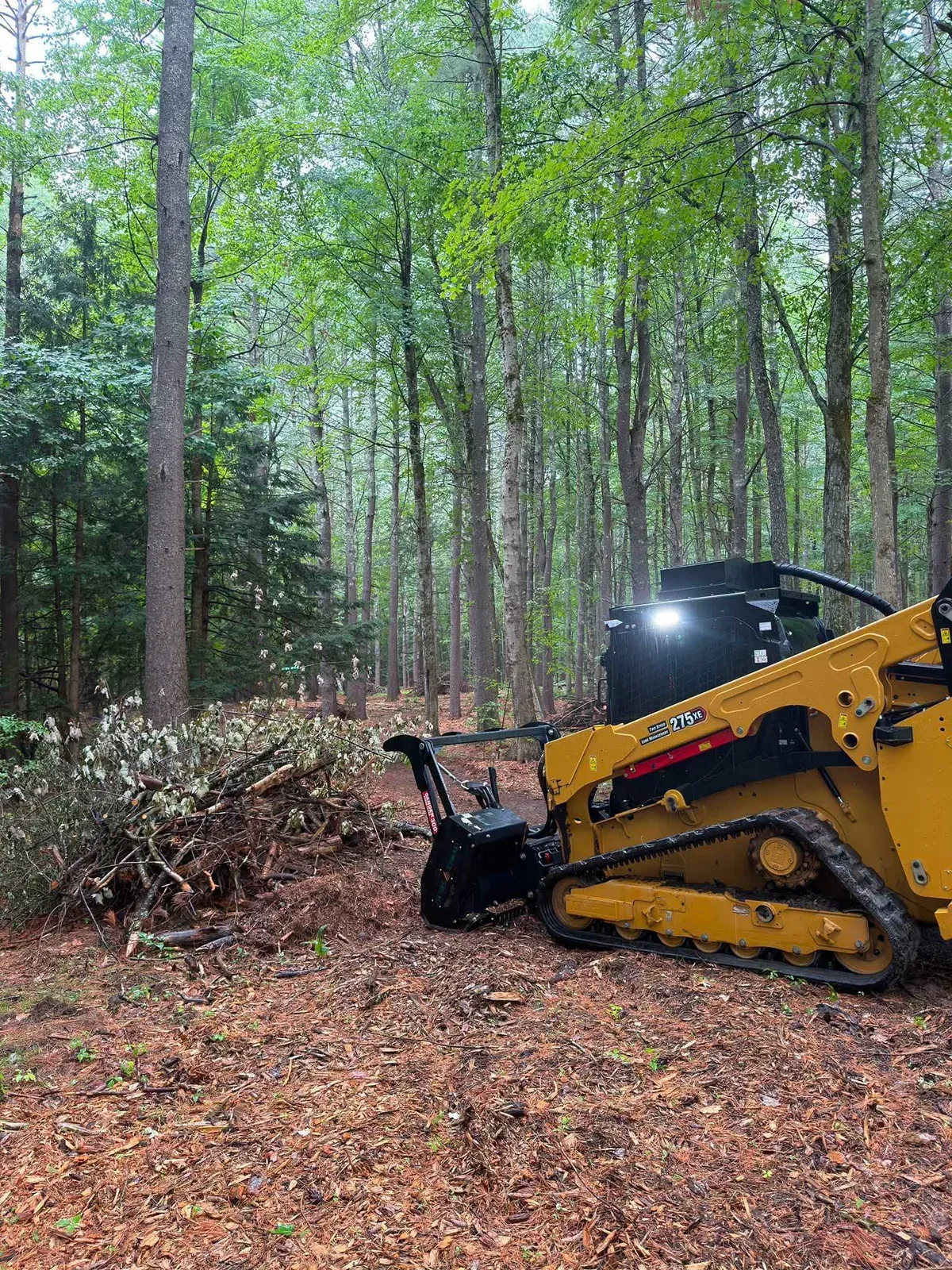
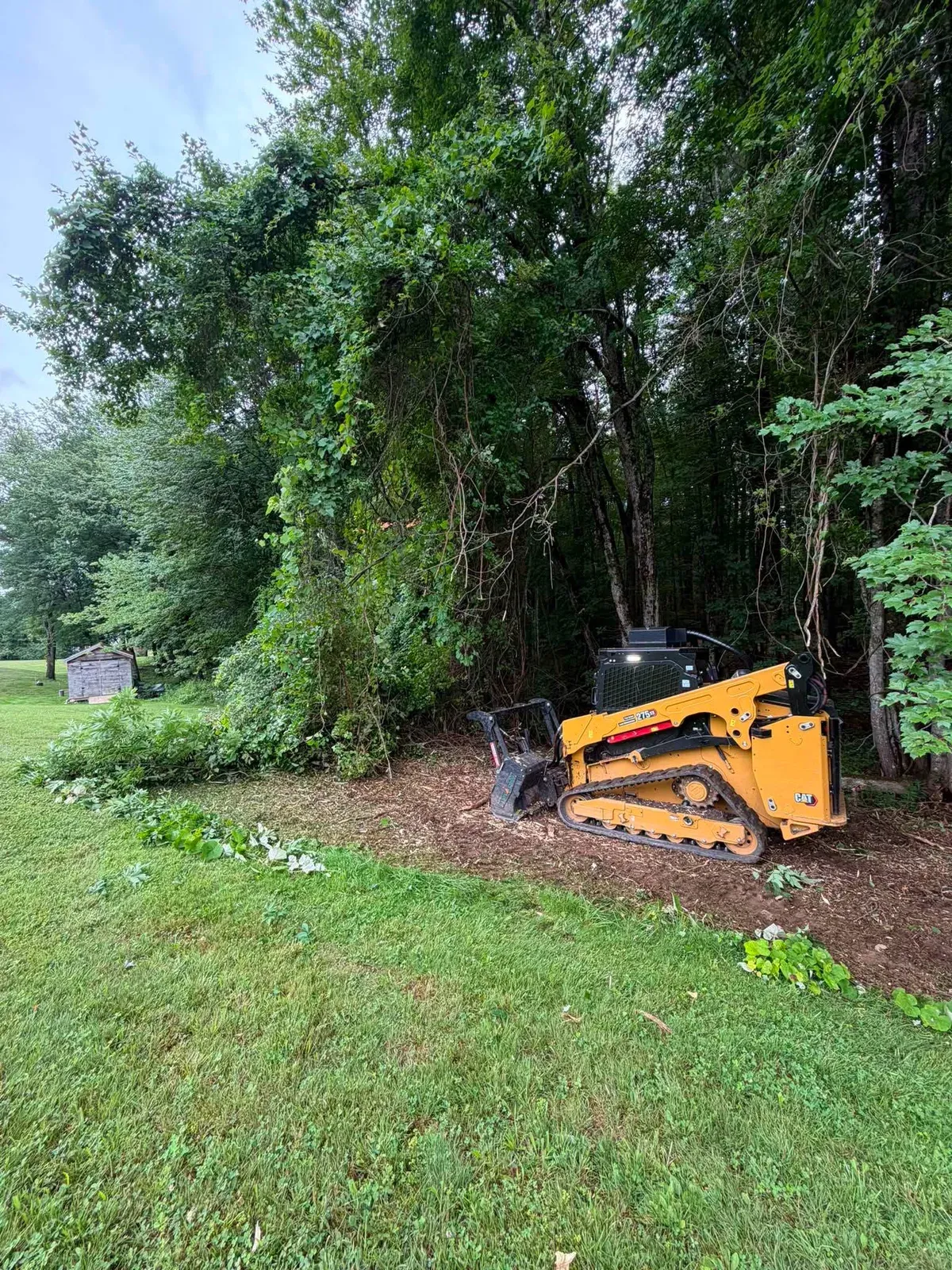
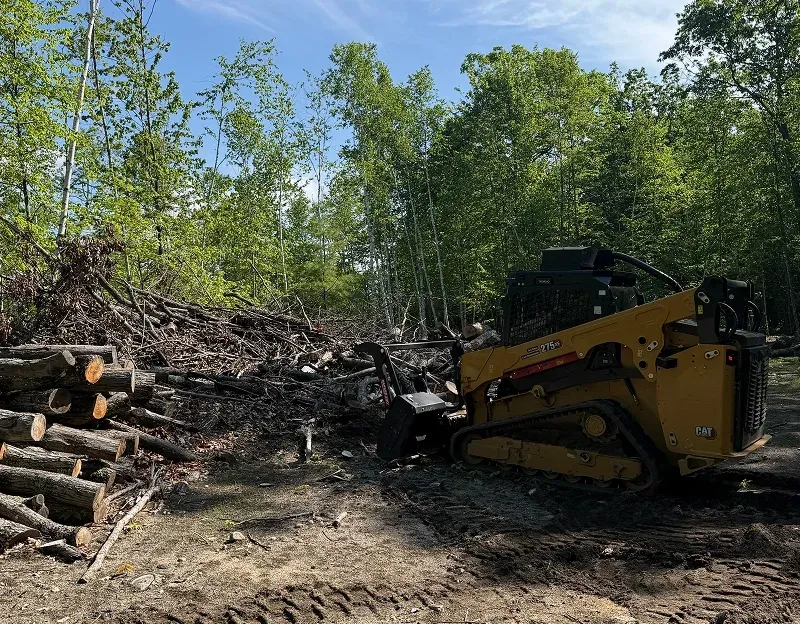
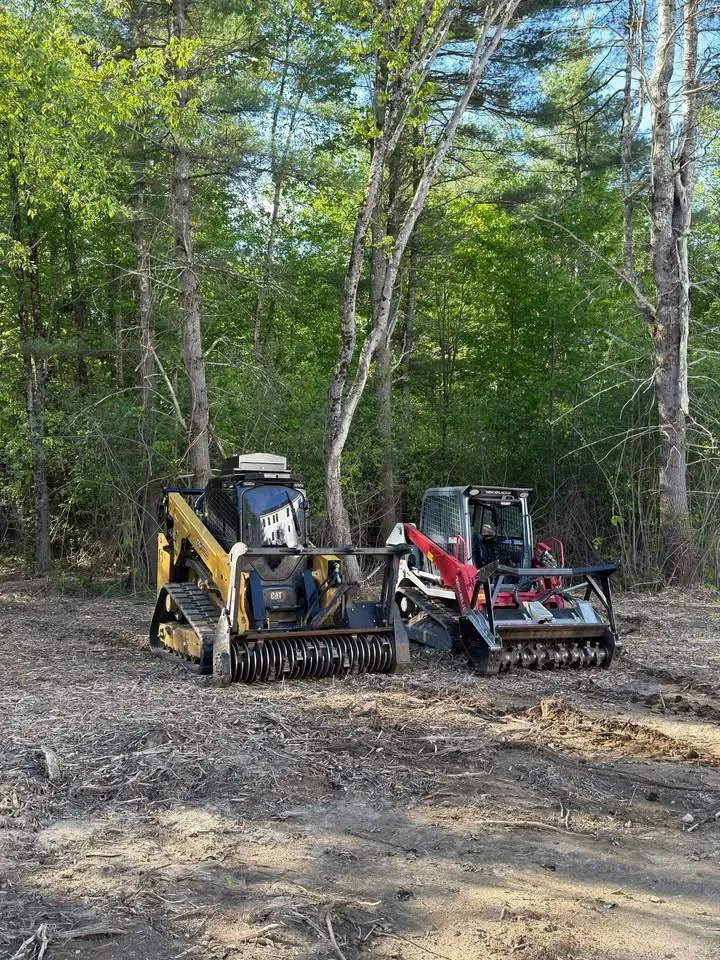
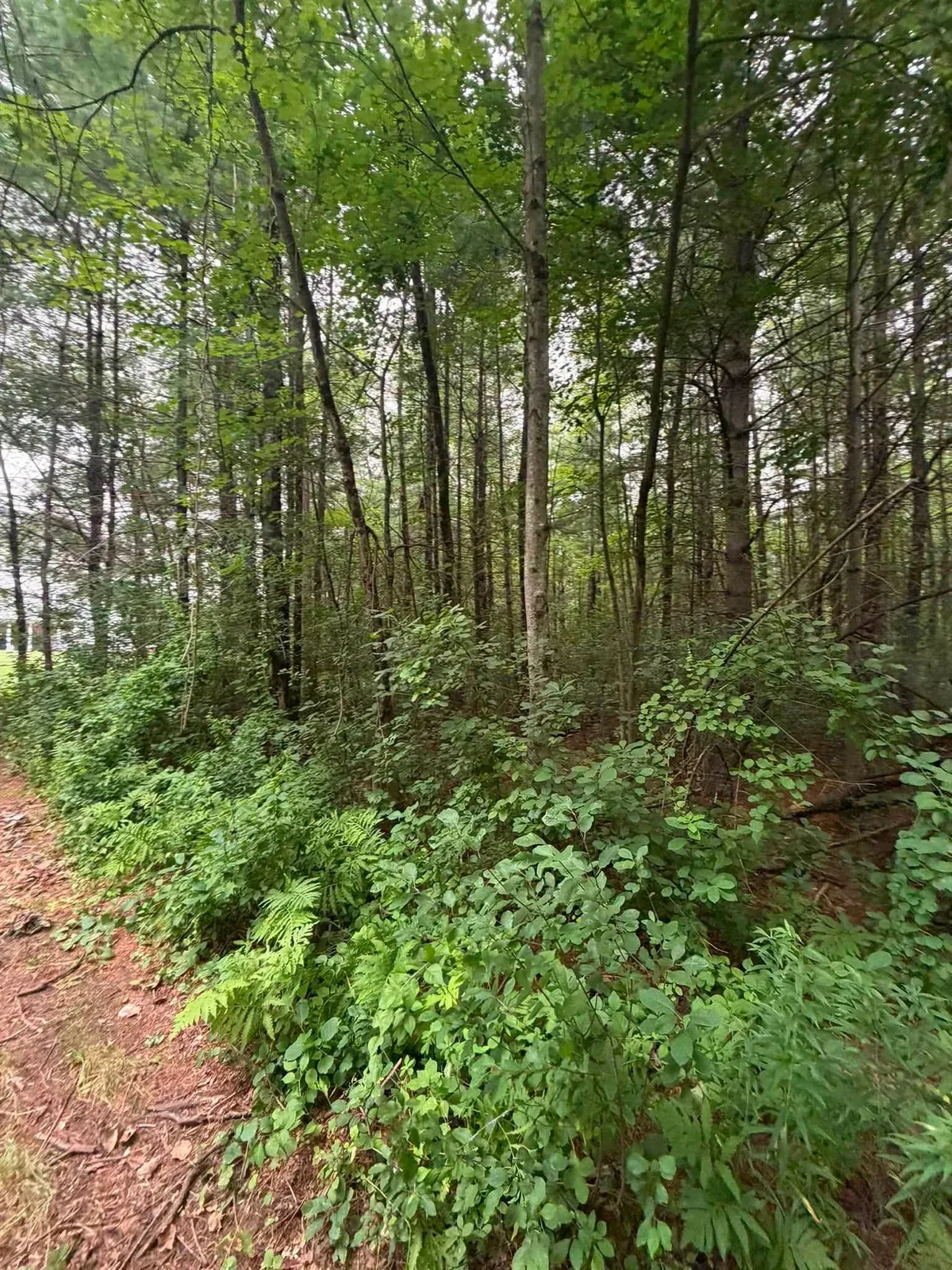
Yes. Mulching clears saplings and brush and leaves a mulch layer that breaks down. Most fields can be mowed after mulching, though rocks and stumps may need attention first.
Londonderry sets Conservation Overlay buffers around wetlands and streams, and work inside them needs town review. We set the work line back from the buffer unless you have approval.
We mulch around trees you want to keep and stay clear of their trunks. Mark the trees to save before we start.
It is shredded into mulch and left on the ground. There is nothing to burn or haul in most cases.
Saplings and shrubs can resprout within a season or two. Regular mowing after mulching keeps the field open.
See every town we cover on our service areas page.
Tell us about the job and we will call you back to talk it through. Fields marked * are required.