
Vacant parcels and deep back lots
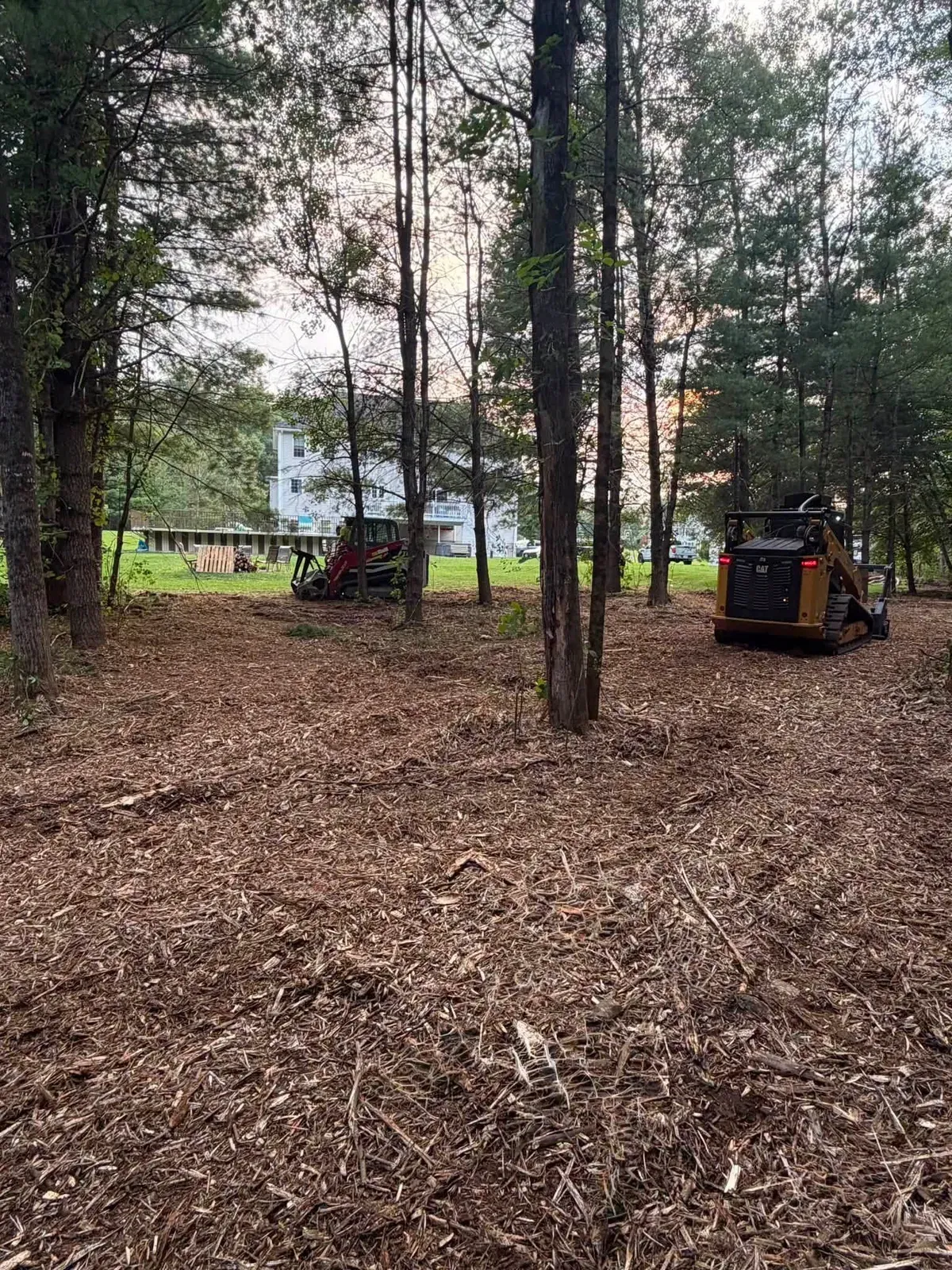
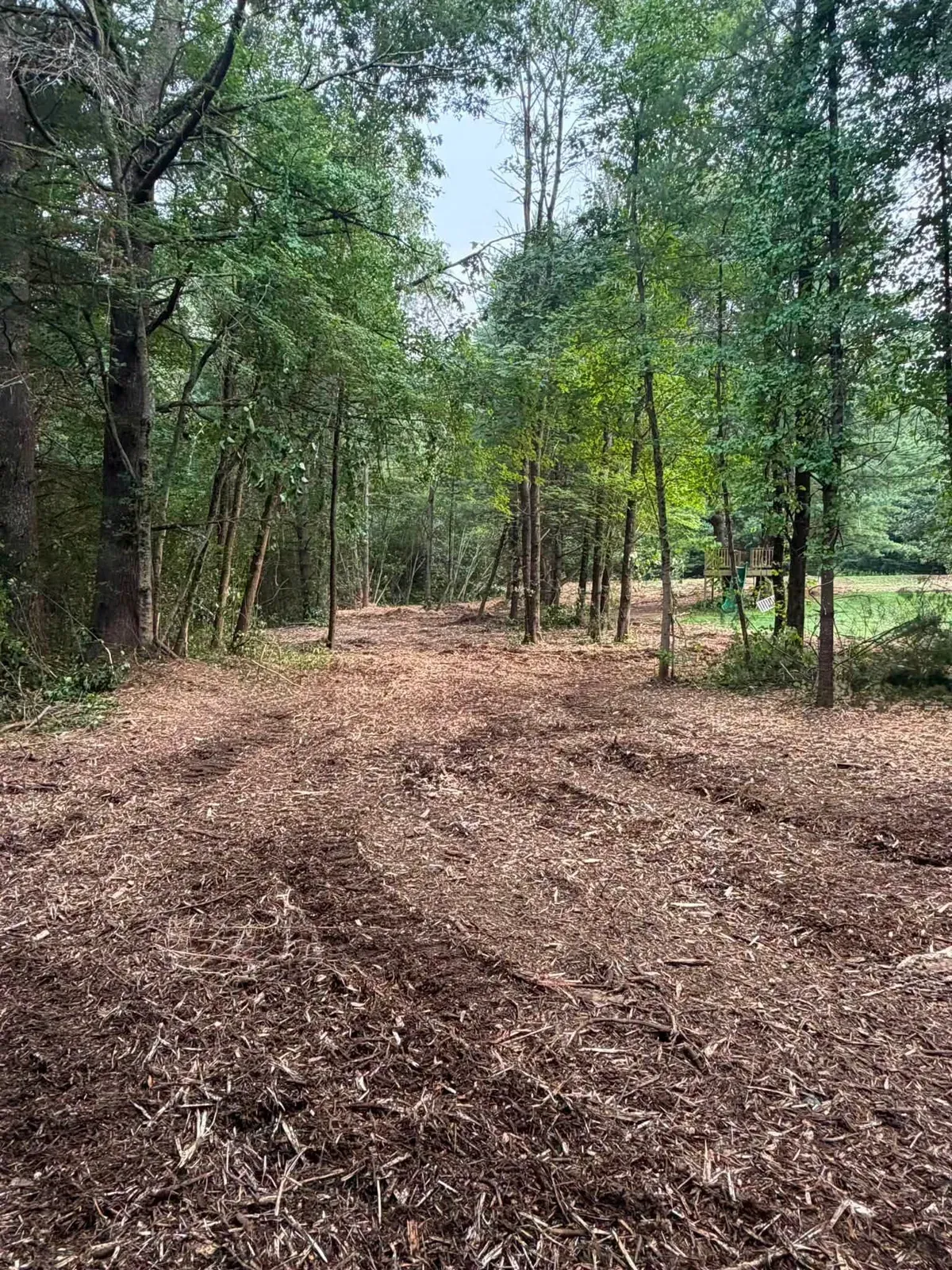
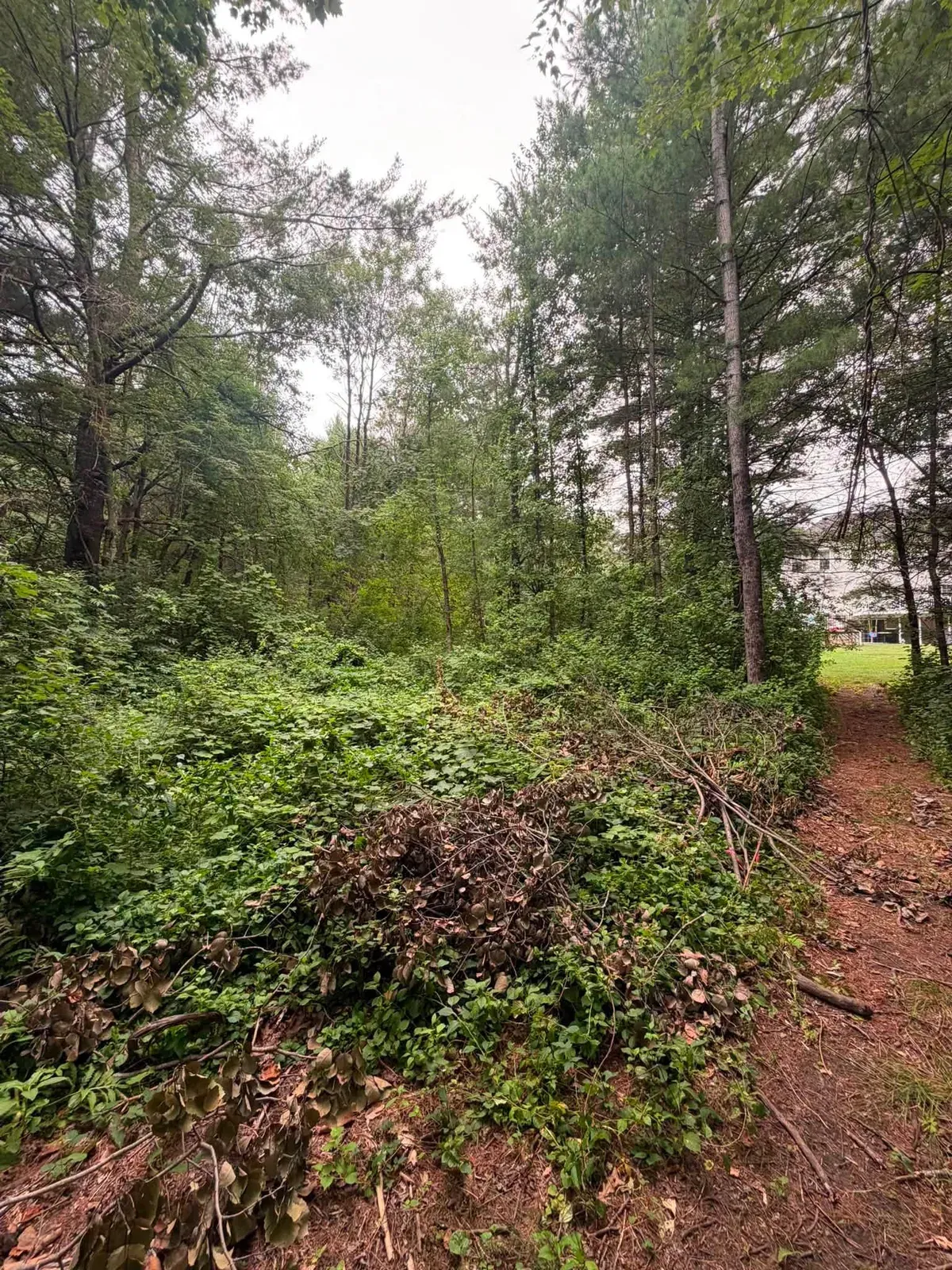
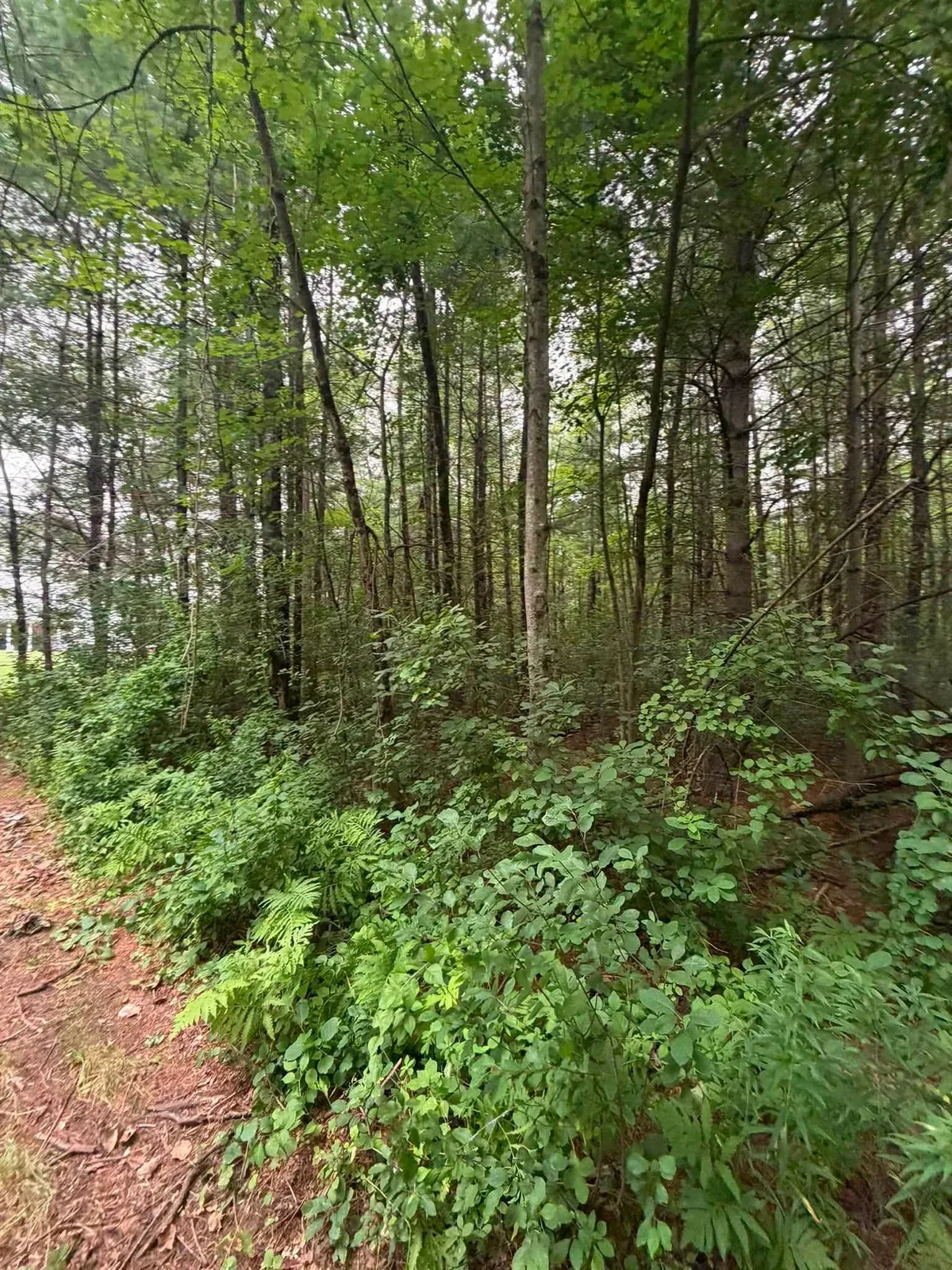
Overgrown parcels and the back edges of deep lots fill with saplings and shrubs. Mulching them in place clears sightlines and leaves a surface that can be mowed later, without stacking brush at the curb.
Overgrown back lots, fence lines and invasive thickets mulched in place, with less hauling through city streets.
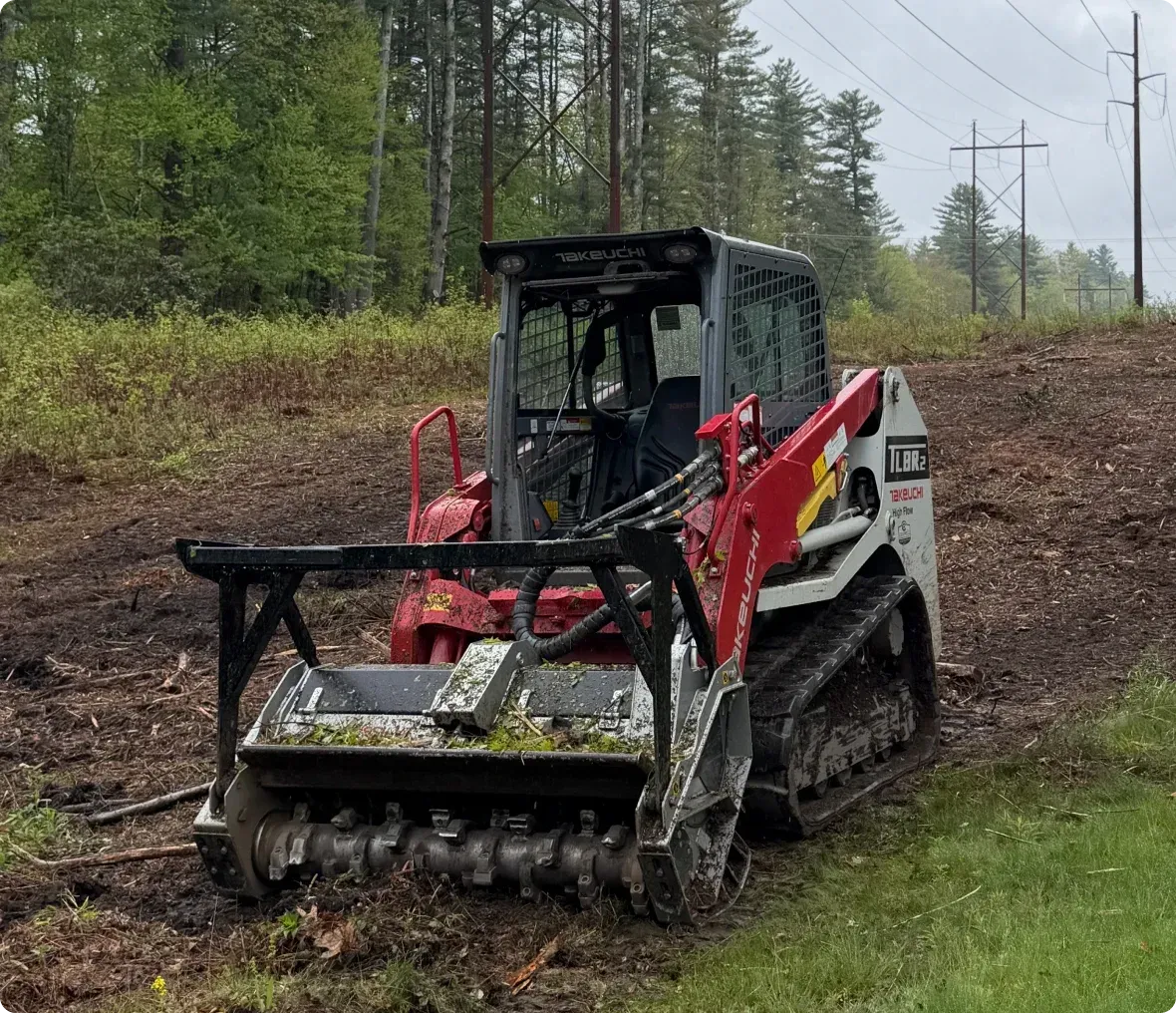
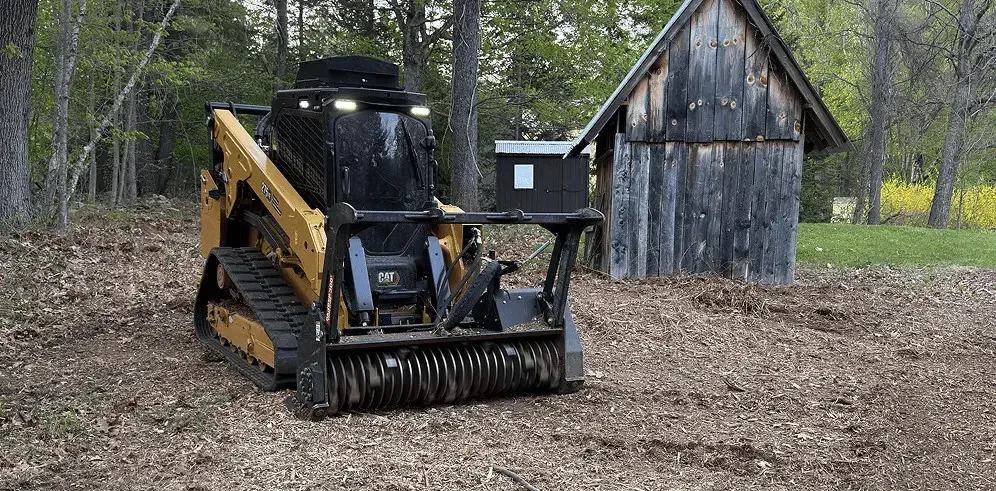
Forestry mulching grinds brush and small trees into mulch where they stand. In Manchester we use it for homeowners with an overgrown back lot or fence line, property managers cleaning up vacant parcels, and commercial owners who need brush cut back from buildings and parking areas. A track loader with a forestry mulcher head clears the growth and leaves a mulch layer, so there is far less to haul through narrow city streets.
Call (603) 438-6492 or use Get a Quote with photos and the size of the area. More on our forestry mulching page.
Size limit: We can mulch hardwood up to 8 inches in diameter. Larger trees are cut first and the stumps ground separately.
Manchester's overgrown areas are usually small pockets surrounded by homes and pavement. That makes mulching in place useful, and it also sets limits.
Overgrown parcels and the back edges of deep lots fill with saplings and shrubs. Mulching them in place clears sightlines and leaves a surface that can be mowed later, without stacking brush at the curb.
Glossy buckthorn, Oriental bittersweet, Japanese knotweed and multiflora rose are on New Hampshire's prohibited invasive plant list. Mulching on site avoids moving living plant parts, but knotweed and buckthorn resprout, so plan on follow-up.
Around Lake Massabesic, the city's drinking water supply, and along the Piscataquog and Merrimack, the first 50 feet from the water keeps its natural ground cover under state law. We keep the mulcher out of those zones unless the work is allowed.
A forestry mulcher throws debris, so on tight city sites we work away from houses and cars and leave a margin along fences and buildings. Edges right against a structure may need lighter tools.
Shoreland. Within 50 feet of a protected waterbody, natural ground cover stays intact except for a 6-foot-wide path, shrubs can be trimmed to no less than 3 feet, and stumps and roots stay in the ground. Between 50 and 150 feet, at least 25 percent of the area must stay natural woodland (NHDES summary (opens in a new tab); RSA 483-B:9 (opens in a new tab)).
Lake Massabesic watershed. Manchester Water Works manages the lake as a public drinking water source and focuses on protecting water quality at the source (Manchester Water Works (opens in a new tab)). If your property borders water works land, confirm the boundary before any mulching.
Wetlands. Removing material from a bank, marsh or swamp requires a state wetlands permit (RSA 482-A:3 (opens in a new tab)).
Invasive plants. New Hampshire prohibits moving or transplanting living parts of listed invasive species (Agr 3800 (opens in a new tab)).
This is general guidance, not legal advice. We help you spot when a permit question exists so you can confirm it with the town or NHDES before work starts.
Sources: NHDES: Shoreland Water Quality Protection Act, summary of minimum standards; NH RSA 483-B:9, shoreland minimum standards; Manchester Water Works: Lake Massabesic Watershed; NH RSA 482-A:3, wetlands permit requirement; NH Administrative Rules Agr 3800, invasive species
We quote forestry mulching per site rather than publishing set prices. For planning, HomeGuide reports forestry mulching at about $125 to $300 per hour, $1,000 to $2,500 per day, or $400 to $800 per acre on average (HomeGuide (opens in a new tab)). These are national reference ranges, not our prices. Dense invasive brush, slopes and buffer areas in Manchester can move a job well beyond the low end.
Our forestry mulching cost calculator gives a quick planning number. For an exact price, call (603) 438-6492 or request a quote with photos.
Try the forestry mulching cost calculator
Cost references: HomeGuide: Forestry Mulching Cost
A few places locals know, and what they mean for outdoor work nearby.
A lake of more than 2,500 acres in Manchester and Auburn that has supplied the city's drinking water since 1874. State shoreland rules and Manchester Water Works' focus on protecting water quality at the source make work near its shore a careful job.
Get directions to Lake Massabesic (opens Google Maps in a new tab)Flows from Goffstown through Manchester's West Side to the Merrimack at Bass Island. The lower river is a state-designated river, so lots near its banks fall under shoreland rules.
Get directions to Piscataquog River (opens Google Maps in a new tab)A Merrimack River tributary that drains part of the city. Low ground along brooks like this can include wetlands, where excavating or filling needs a state permit.
Get directions to Cohas Brook (opens Google Maps in a new tab)The highest point in Manchester at 570 feet. Hillside streets mean sloped yards where grinder and loader placement takes extra planning.
Get directions to Wellington Hill (opens Google Maps in a new tab)Photos from our crew's jobs across New Hampshire and Massachusetts.
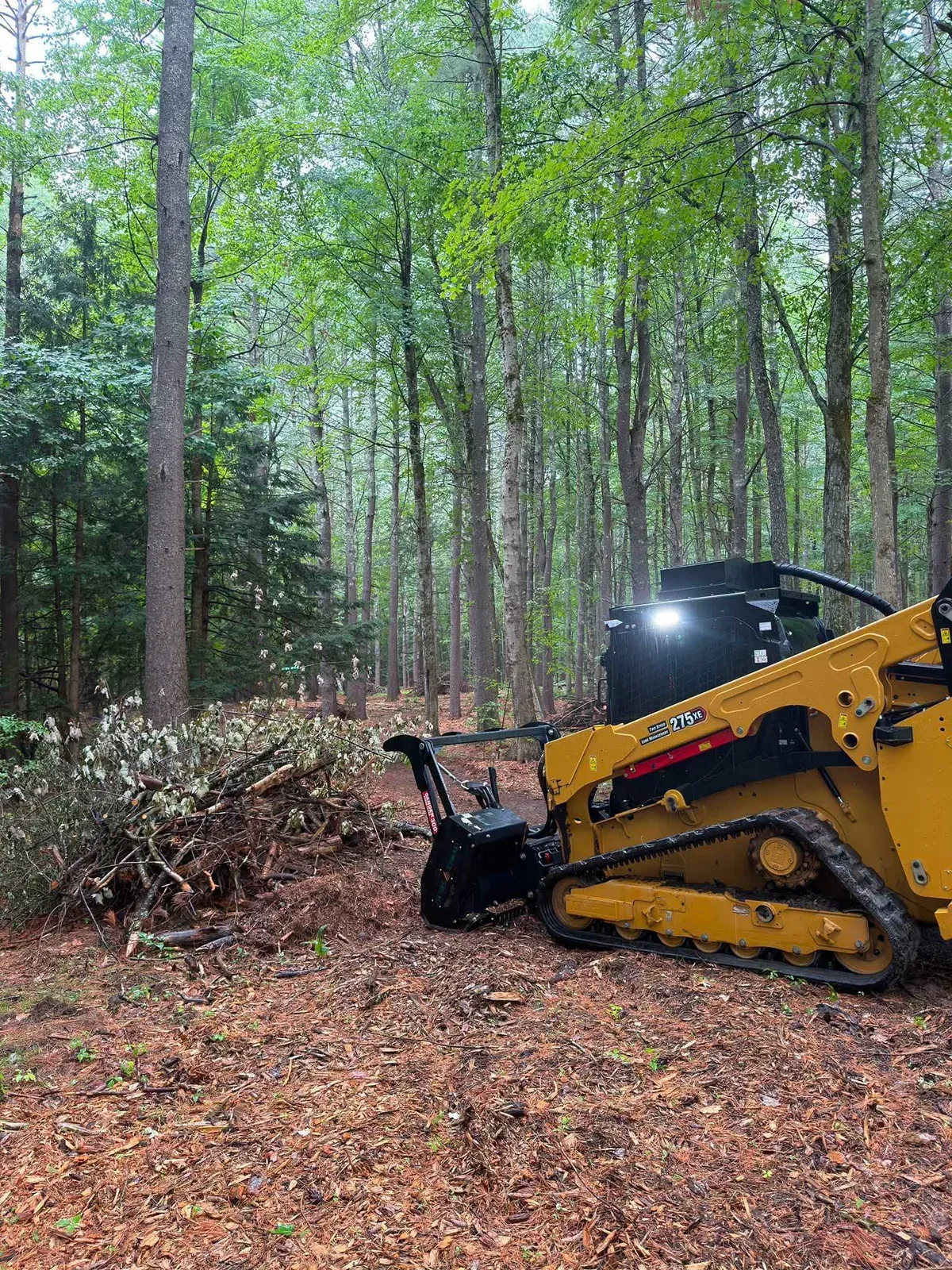
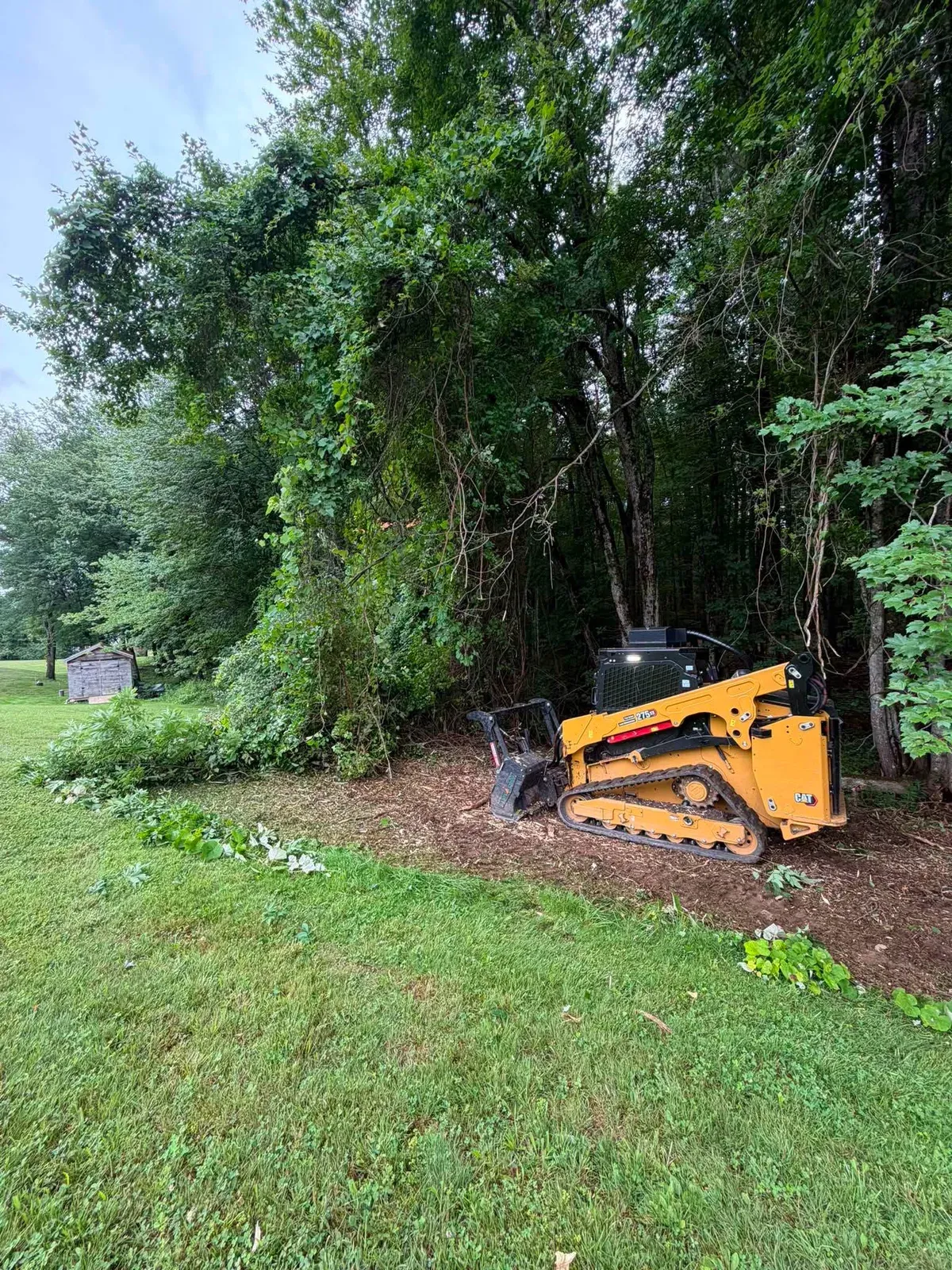
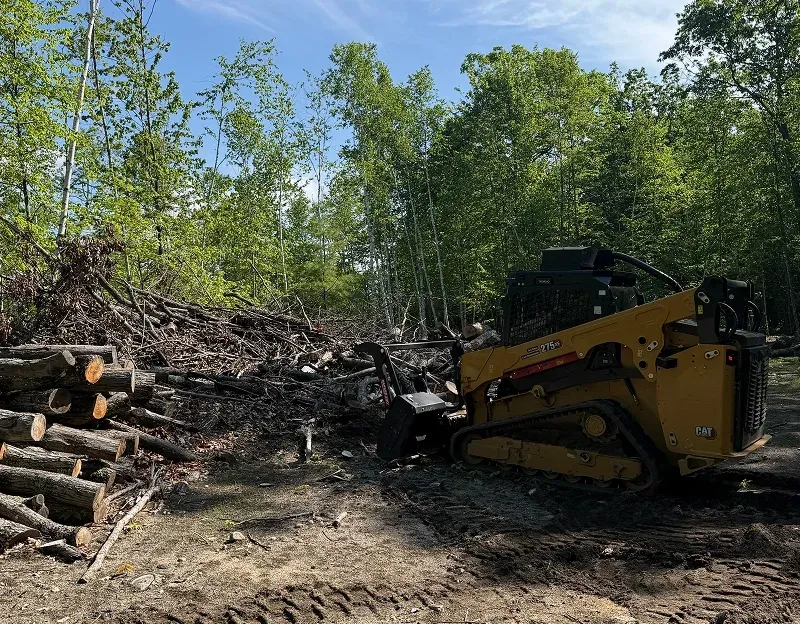
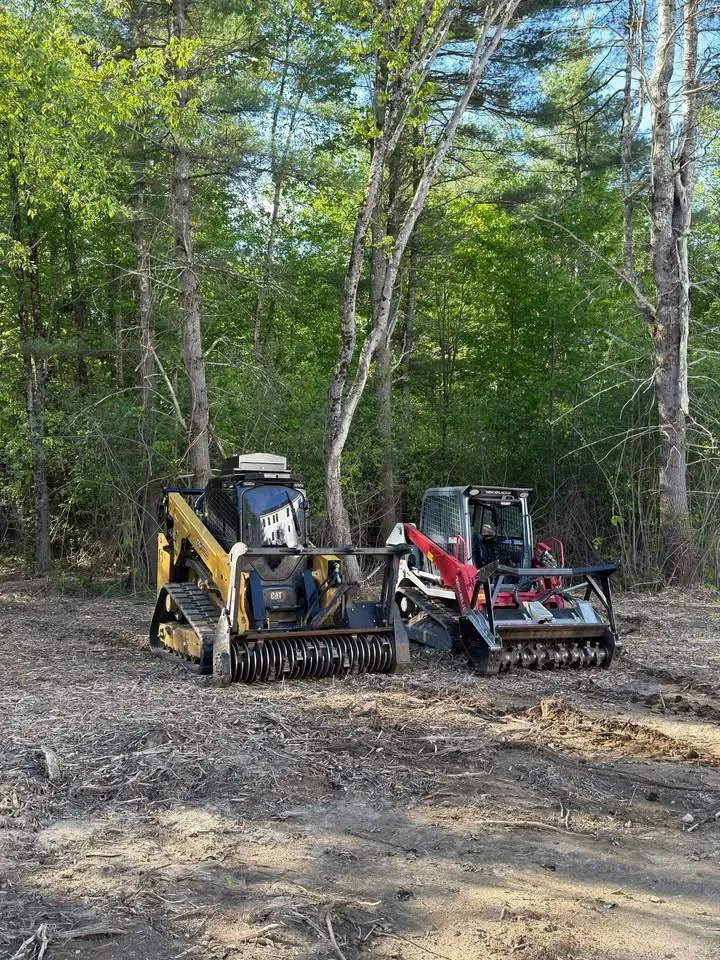
It can be, as long as a track loader can reach the area. Mulching avoids brush piles and most of the hauling, which helps on lots with no room for debris. Very tight spaces next to buildings may be better handled with other tools.
We can mulch it down and clear the thicket, but both resprout from their roots. Expect follow-up mulching passes over the next season or two. Mulching in place also avoids moving living plant parts, which state rules prohibit for listed invasives.
Only outside the areas the rules protect. The first 50 feet from the water keeps its natural ground cover, and work further back still has to leave part of the woodland buffer natural. Confirm your boundary if your lot borders water works land.
Usually very little. The mulch stays on the ground, and only trash, old fencing or wood too large for the mulcher would need to go. If you want the mulch removed from part of the area, we can haul it on our trucks and trailers.
Yes. Mulching leaves stumps near ground level, and if you plan to mow or plant, we can grind them lower. See stump grinding in Manchester for how that works.
See every town we cover on our service areas page.
Tell us about the job and we will call you back to talk it through. Fields marked * are required.